
"first coffee tree"
20000 article(s) found

Basic knowledge of Coffee planting of Coffee trees
Coffee tree coffee (Xoffea arabica Linn) coffee is a perennial evergreen shrub or small tree of Rubiaceae. It is a horticultural perennial cash crop with the characteristics of fast growth, high yield, high value and wide market. Wild coffee trees can grow to 5 to 10 meters high, but coffee trees planted on manors are often cut to less than 2 meters in order to increase fruit and facilitate harvesting.

Coffee tree species know coffee knowledge
There are more than 6000 species of coffee trees, most of which are tropical trees and shrubs. There are four main coffee trees in the world, of which only two are of real commercial value and are planted in large quantities, and the quality of the coffee beans produced by other coffee trees is also higher than that of other coffee trees. The wild coffee tree is 510 meters high. In artificial cultivation, in order to facilitate picking by hand, it is generally trimmed into

The planting conditions of high-quality coffee beans and common sense coffee trees
The origin of the coffee tree is Ethiopia in Africa. In botany, coffee trees belong to the evergreen trees of the subgenus Rubiaceae, and coffee beans, commonly known as coffee beans, are actually the seeds of the fruit of coffee trees. They are called coffee beans only because they are shaped like beans. Climate is the decisive factor for coffee cultivation. Coffee trees are only suitable for growing in the tropics or subtropics, so latitude 25 degrees south and north.
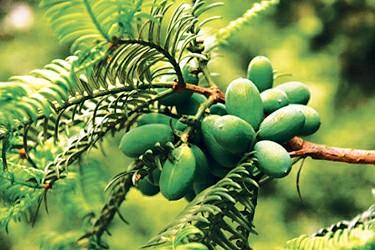
The planting conditions of coffee trees what kind of geographical environment is conducive to coffee planting and the introduction of coffee trees
Coffee tree coffee (Xoffea arabica Linn) coffee is a perennial evergreen shrub or small tree of Rubiaceae. It is a horticultural perennial cash crop with the characteristics of fast growth, high yield, high value and wide market. Wild coffee trees can grow to 5 to 10 meters high, but coffee trees planted on manors are often cut to less than 2 meters in order to increase fruit and facilitate harvesting.

Introduction of Coffee planting methods introduction of Coffee planting conditions
The first flowering period of the coffee tree is about three years old. the white five-petal tube-shaped flowers are filled with a faint scent of jasmine and the inflorescences are arranged in dense clusters. Flowers wither after two or three days of blooming and begin to bear fruit after a few months. The fruit is a drupe with a diameter of about 1.5 cm, which is green at first, then turns yellow gradually, and turns red after ripening, which is very similar to cherries.

Common sense of Coffee Tree planting Coffee how to grow Coffee and where is it suitable to grow Coffee in China
Professional coffee knowledge exchange more information about coffee beans Please follow the coffee workshop (Wechat official account cafe_style) what are the fruits and seeds of coffee? Coffee trees grow in the tropics between Tropic of Cancer and Tropic of Cancer and near the equator, also known as the world coffee growth belt, caffeine varieties and regional factors.

The Origin of Coffee when was coffee first discovered
Coffee was first found in Greece. The word coffee [1] comes from the Greek Kaweh, meaning strength and enthusiasm. Coffee tree is an evergreen shrub of Capsaceae. Daily coffee is made from coffee beans combined with a variety of cooking utensils, and coffee beans refer to the nuts in the fruit of coffee trees, which are then roasted with appropriate roasting methods. About the origin of coffee.
History of Coffee Culture the spread and Development of Coffee
European historians argue that as early as 800 years ago, there were artificial coffee trees for trade in Yemen in the southern Arabian Peninsula, and there was historical evidence that at that time, there was indeed trade across the Red Sea between Yemen and Ethiopia. Based on this, it is speculated that if the use of coffee was discovered by Ethiopians, then coffee

What's the difference between shade tree grown coffee and boutique coffee? is shade grown coffee more expensive?
Coffee grown under shade trees seems to be a newly discovered miracle. You will see it printed on the label and touted by more and more coffee shops. Most people think that there is something special about shade-grown coffee, and it is. But the idea of growing coffee in the shade is neither innovative nor unique. In fact, this is the first place to find wild coffee: trees in other trees.
The quality of coffee depends on the factors of coffee trees in the first place.
The quality of coffee first depends on the main factors such as plant type, soil, growth conditions and altitude. Any step in this process may destroy the quality. Coffee beans greedily absorb smell and flavor. Too much moisture causes mildew. Coffee that is not roasted enough tastes sour; overroasted coffee looks like coke. After baking, if you leave it on hold for a week or so

What does Chinese coffee trees look like? where are coffee trees planted in Yunnan? environmental production areas manor treatment plants.
What does the Chinese coffee tree look like? where do the coffee trees grow in Yunnan? the manor processing plant introduced that the coffee fruit should be harvested immediately, and because the fruit of different ripening periods will appear on the same tree, it is not easy to harvest. Generally speaking, it takes as long as 4-5 months to receive a full harvest from the initial harvest. If ripe and immature fruits are harvested at the same time, the coffee will be reduced.

Do you really know coffee? How are coffee trees grown?
Pay close attention to the coffee comment (Weixin Official Accounts vdailycom ) and find a beautiful coffee shop to open one's own shop. 1. The excavation quality of planting ditch affects the soil and water conservation of coffee garden, the implementation of agricultural technical measures, the growth and yield of coffee tree, which should be seriously implemented. Excavation method, gentle slope can be excavated from the slope to the slope, and steep slope should be excavated from the slope to the slope.

The basic knowledge of coffee beans the planting of coffee trees
Coffee tree coffee (Xoffea arabica Linn) coffee is a perennial evergreen shrub or small tree of Rubiaceae. It is a horticultural perennial cash crop with the characteristics of fast growth, high yield, high value and wide market. Wild coffee trees can grow to 5 to 10 meters high, but coffee trees planted on manors are often cut to less than 2 meters in order to increase fruit and facilitate harvesting.

The growing environment of coffee beans the planting conditions of coffee trees
Coffee tree coffee (Xoffea arabica Linn) coffee is a perennial evergreen shrub or small tree of Rubiaceae. It is a horticultural perennial cash crop with the characteristics of fast growth, high yield, high value and wide market. Wild coffee trees can grow to 5 to 10 meters high, but coffee trees planted on manors are often cut to less than 2 meters in order to increase fruit and facilitate harvesting.
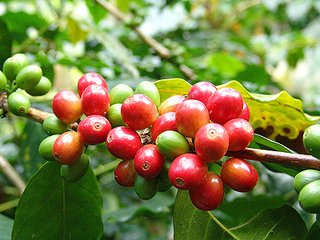
Coffee cultivation and cultivation Coffee cultivation techniques and techniques Introduction to the process of coffee green beans cultivation
(a) seedling propagation coffee seedling propagation can be divided into seed propagation and asexual propagation. 1. Seed propagation (1) Seed collection, seed washing and seed storage In the mature period of coffee (the mature period of medium seed coffee in Hainan Island is 2~3 months, and the mature period of small seed coffee is 9~11 months), fully mature fruits are picked from healthy and high-yield mother trees to make seeds. After the fruits are picked, peeling and seed washing are carried out immediately.

Basic knowledge of high-quality coffee the planting conditions of coffee trees
Coffee tree coffee (Xoffea arabica Linn) coffee is a perennial evergreen shrub or small tree of Rubiaceae. It is a horticultural perennial cash crop with the characteristics of fast growth, high yield, high value and wide market. Wild coffee trees can grow to 5 to 10 meters high, but coffee trees planted on manors are often cut to less than 2 meters in order to increase fruit and facilitate harvesting.
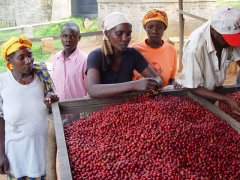
The yield of coffee in Vietnam is as high as 950 kilograms per hectare, and many newly planted coffee trees are from Japan.
Today's production power, tomorrow's production giant. Perhaps under the influence of French colonial rule, coffee grown in Vietnam has a French flavor. Arabica coffee was first brought to Vietnam by French missionaries. More than 400,000 coffee trees were introduced to Vietnam from 1865 to 1876 and were planted near Tonkin Bay, mostly Java or bourbon varieties. At present, coffee production in Vietnam is continuous.

Introduction to the basic knowledge of Fine Coffee
First, the planting and regional distribution of coffee trees. Botanically, coffee trees belong to the subgenus Rubiaceae, but coffee beans, commonly known as coffee beans, are actually the seeds of the fruit of coffee trees, just because they are shaped like beans, so they are called coffee beans. Climate is the decisive factor for coffee cultivation. Coffee trees are only suitable for growing in the tropics or subtropics, so the latitude between south and north is between 25 degrees.

The planting method of Coffee Tree the planting environment of coffee tree introduces what kind of environment is most suitable for growing coffee
Coffee fruit contains two seeds, namely coffee beans. The two beans are connected face to face with each other on one side of the plane. Each coffee bean has a thin outer film, which is called silver skin, and its outer layer is covered with a yellow outer skin, called endocarp. The whole coffee bean is wrapped in a sticky pulp to form coffee pulp, which is soft and sweet.